Signs of Autism

Signs of autism in young children include:

  • Not responding to their name
  • Avoiding eye contact
  • Not smiling when you smile at them
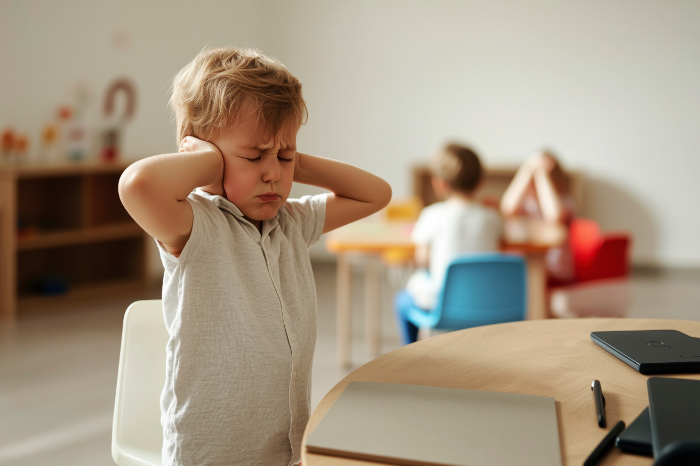
  • Getting very upset if they do not like a certain taste, smell or sound
  • Repetitive movements, such as flapping their hands, flicking their fingers or rocking their body
  • Not talking as much as other children
  • Not doing as much pretend play
  • Repeating the same phrases

Autism in Older Children

Signs of autism in older children include:

  • Not seeming to understand what others are thinking or feeling
  • Unusual speech, such as repeating phrases and talking ‘at’ others
  • Liking a strict daily routine and getting very upset if it changes
  • Having a very keen interest in certain subjects or activities
  • Getting very upset if you ask them to do something
  • Finding it hard to make friends or preferring to be on their own
  • Taking things very literally – for example, they may not understand phrases like “break a leg”
  • Finding it hard to say how they feel

Autism in Girls and Boys

Autism can sometimes be different in girls and boys.

Autistic girls may:

  • Hide some signs of autism by copying how other children behave and play
  • Withdraw in situations they find difficult
  • Appear to cope better with social situations
  • Show fewer signs of repetitive behaviours


This means autism can be harder to spot in girls.
Common signs of autism in adults include:

  • Finding it hard to understand what others are thinking or feeling
  • Getting very anxious about social situations
  • Finding it hard to make friends or preferring to be on your own
  • Seeming blunt, rude or not interested in others without meaning to
  • Finding it hard to say how you feel
  • Taking things very literally – for example, you may not understand sarcasm or phrases like “break a leg”
  • Having the same routine every day and getting very anxious if it changes